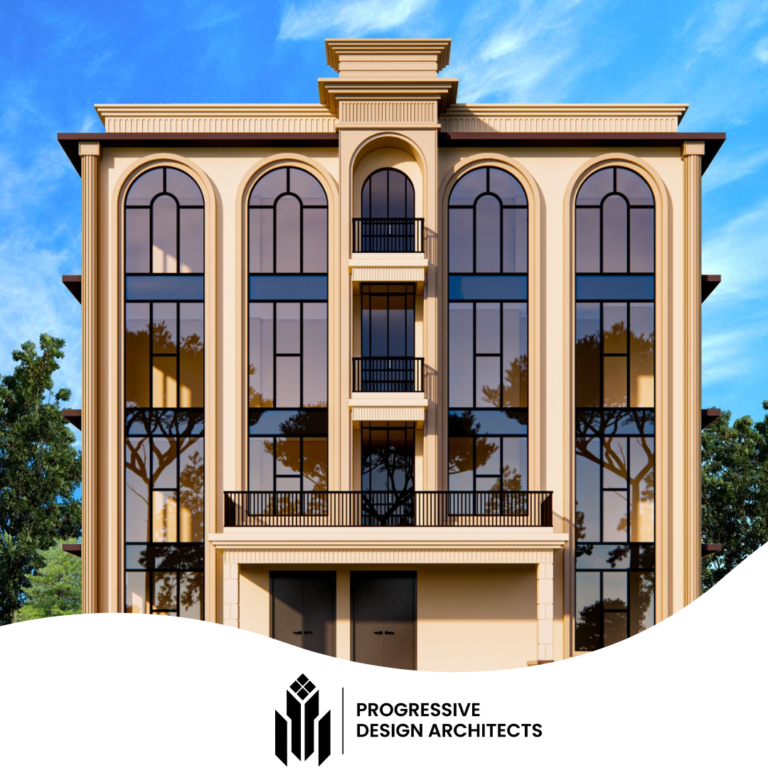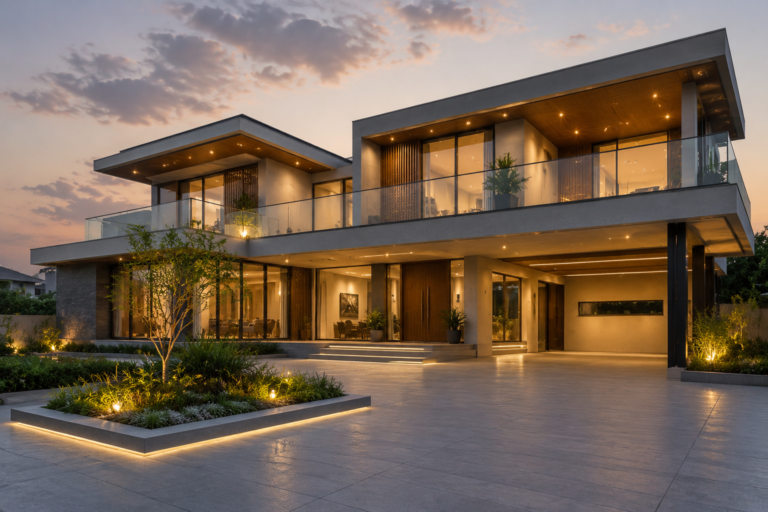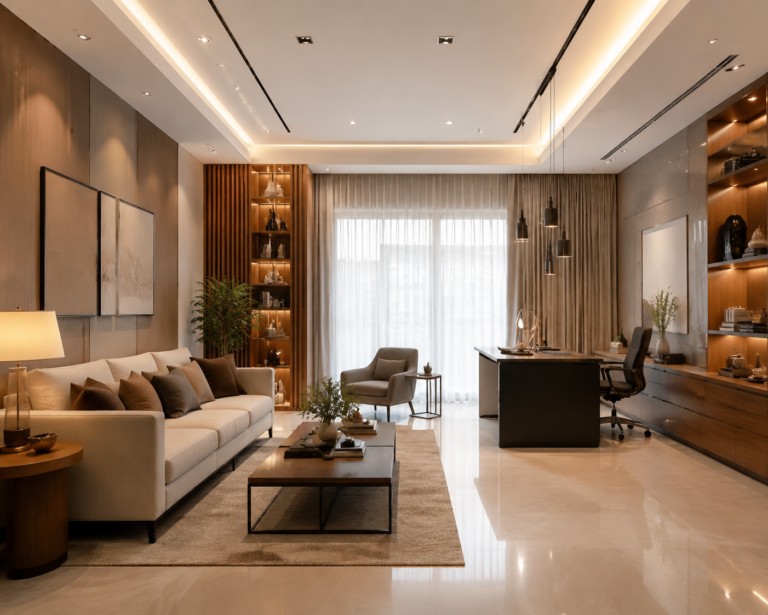
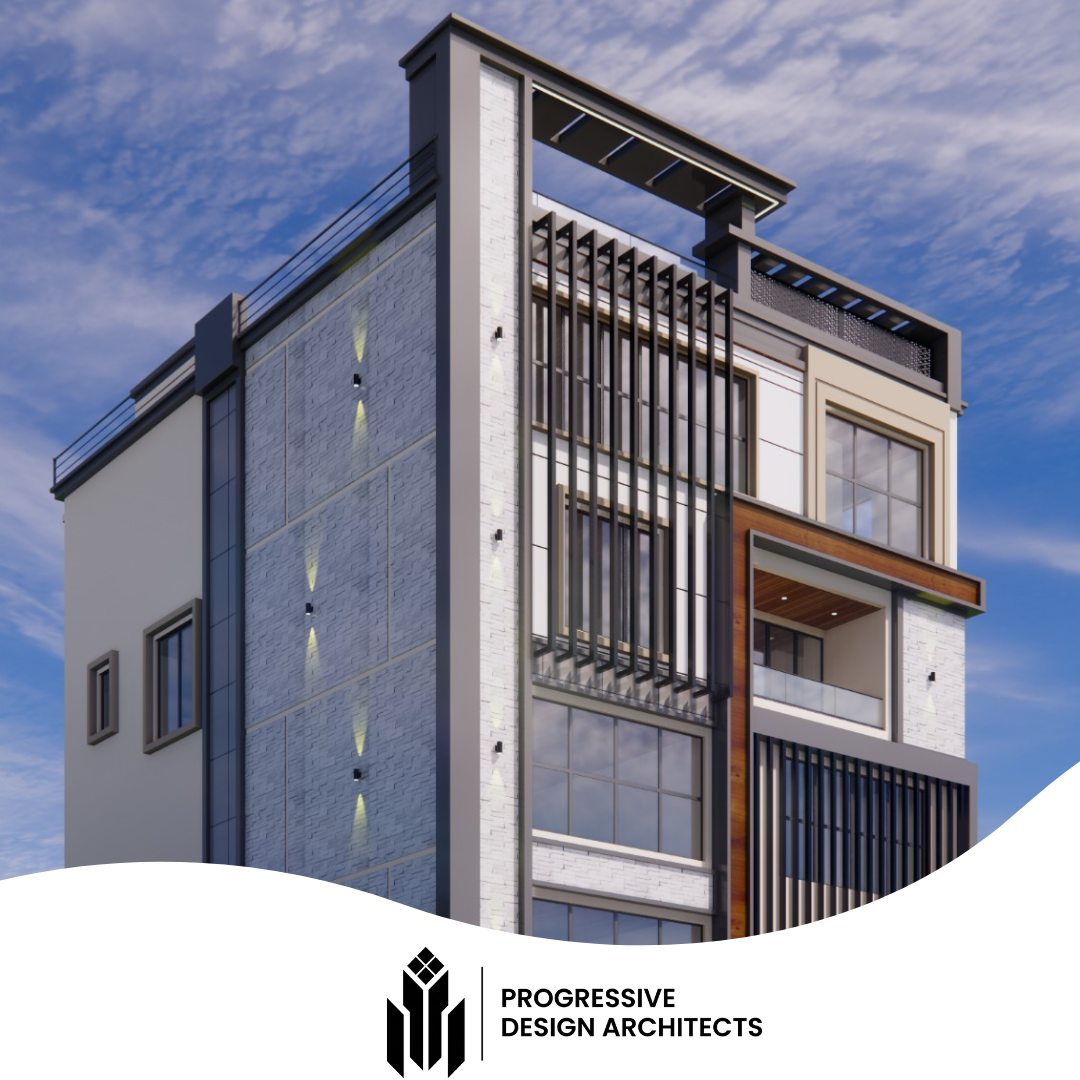
Sustainable architecture is more than a trend; it is a responsibility. In Assam, where the climate is defined by heavy rains, humidity, flood risk, and rich cultural heritage, sustainable architectural practices are essential for building resilient, comfortable, and environmentally responsible structures. Today, progressive design architects are leading the way in Assam by blending traditional wisdom with modern sustainability principles to create greener, more efficient buildings.
What is Sustainable Architecture?
Sustainable architecture refers to an approach in building design that prioritizes environmental health, energy efficiency, and occupant wellbeing throughout the lifecycle of a structure. It integrates passive design strategies, locally sourced materials, renewable energy systems, and low‑impact construction methods to minimize ecological footprints and operating costs.
In Assam, sustainable architecture also intersects with cultural heritage. Traditional homes like the Assam‑type house and Chang ghar (stilt houses) exemplify climate‑responsive design that naturally promotes ventilation, flood resilience, and resource efficiency.
Key Design Tips for Sustainable Architecture in Assam
Whether you are planning a residential home, commercial space, or community project, progressive design architects in Assam recommend the following sustainable design strategies:
1. Optimize Passive Climate Design
Design buildings to take advantage of natural wind patterns, solar orientation, and shading. Elevated structures and large overhangs improve air flow and protect interiors from direct sun and rain — critical in Assam’s monsoon climate.
2. Use Local, Eco‑Friendly Materials
Locally available bamboo, timber, mud, thatch, and earth‑based materials have low embodied energy and excellent thermal properties. These materials not only reduce transportation emissions but also maintain cultural continuity with Assam’s architectural traditions.
3. Incorporate Renewable Energy
Solar panels and passive solar heating can reduce dependency on grid electricity. Assam receives ample sunlight outside the monsoon months, enabling effective solar integration.
4. Water Conservation and Management
Rainwater harvesting systems can capture abundant rainfall for reuse in irrigation and domestic applications. Greywater recycling further extends water efficiency in both rural and urban projects.
5. Design for Flood and Climate Resilience
Given Assam’s flood‑prone topography, raised floors and resilient foundations protect structures from water damage. Green spaces and proper landscaping can manage stormwater and reduce erosion.
6. Blending Tradition with Innovation
Incorporating traditional design elements like woven bamboo walls and steep, overhanging roofs with modern treatments (e.g., steel reinforcement or treated earth blocks) can enhance durability without losing the regional character.
By applying these strategies, progressive design architects can create buildings that are not only visually appealing but also environmentally responsible.
Benefits of Sustainable Architecture
Adopting sustainable architecture delivers measurable benefits across economic, environmental, and social dimensions:
1. Reduced Long‑Term Costs
Energy‑efficient buildings with passive design and renewable systems typically have lower operating expenses over time.
2. Enhanced Occupant Health and Comfort
Natural lighting, fresh airflow, and non‑toxic materials improve indoor air quality and overall wellbeing.
3. Environmental Protection
Reduced carbon emissions, resource conservation, and waste minimization help protect Assam’s diverse ecosystems and respond to climate change.
4. Cultural Preservation
By respecting traditional designs like Assam‑type houses, sustainable architecture preserves cultural identity while improving resilience.
5. Increased Property Value
Green buildings often command higher market value and appeal to environmentally minded owners and tenants.
Role of Progressive Design Architects
Progressive design architects in Assam are redefining what sustainable architecture means in the region. They balance the technical rigor of modern green design with cultural insight and ecological sensitivity. By integrating passive design, renewable systems, and locally relevant materials, they not only reduce environmental impact but also elevate the quality of life for residents and communities.
Architectural events and professional dialogues in Assam, such as the AAA Conclave on sustainable architecture, show a growing commitment within the profession to embed sustainability into future projects.
Conclusion
Sustainable architecture in Assam is not just about energy savings or eco‑labels — it is about building structures that resonate with the land, climate, culture, and communities they serve. With the guidance of progressive design architects and the adoption of smart, localized sustainable strategies, Assam can lead by example in responsible and climate‑responsive built environments.
Sources
-
Sustainable architecture principles and benefits overview — AMS India. AMs Construction Management
-
Traditional sustainable materials and construction in Assam — ScienceDirect. ScienceDirect
-
Chang ghar and vernacular climate‑responsive design in Assam. Diversity Assam
-
Assam Type House climate adaptations and sustainability. NetZero India
-
Sustainable architecture principles in India — Samatva Design Studio. Samatva Design Studio
-
Modern sustainable strategies in Assam buildings — NetZero India. NetZero India
-
Sustainable architecture benefits in India — AMS India. AMs Construction Management
-
Professional focus on sustainable architecture in Assam — The Sentinel Assam. The Sentinel
-
Assam‑type architecture overview — Wikipedia. Wikipedia