For homeowners embarking on a construction or renovation journey, understanding architectural project management is essential. Whether it’s building a dream home or upgrading an existing space, effective project management ensures the design vision becomes reality on time, within budget, and without unnecessary stress.
In simple terms, architectural project management is the process of planning, organizing, coordinating, and controlling all aspects of a design and construction project from concept to completion. While architects and interior designers bring creative expertise, project management integrates design, schedule, cost, and communication to deliver successful outcomes.
What Is Architectural Project Management?
Architectural project management involves overseeing every phase of a building project, beginning with initial design discussions and ending with final delivery. For homeowners, this means having a structured approach that balances design aspirations with budget constraints, regulatory requirements, contractor coordination, and technical execution.
Key functions include:
-
Defining Scope and Objectives: Clarifying what you want your home project to achieve. Clear scope reduces ambiguity and ensures alignment among stakeholders.
-
Scheduling and Timelines: Establishing realistic timelines with milestones keeps work progressing smoothly.
-
Budget Management: Monitoring and adjusting financial plans to avoid overruns while securing value.
-
Quality Control: Regular checks to confirm work meets specified standards and homeowner expectations.
-
Communication and Collaboration: Ensuring designers, contractors, engineers, and clients stay informed and aligned throughout the project.
Architectural project management integrates creativity with practical constraints, helping homeowners avoid costly mistakes, delays, and miscommunication.
Why It Matters for Homeowners?
Many homeowners underestimate the complexity of building projects. However, residential architecture involves multiple stakeholders, regulatory approvals, contractor scheduling, material selection, and quality inspections. Strong project management bridges design and execution—keeping the homeowner’s vision intact while meeting structural, legal, and technical requirements.
Importantly, effective project management enhances:
-
Efficient Usage of Time and Money: Prioritizing tasks and controlling budgets reduces waste and helps focus resources where they matter most.
-
Risk Mitigation: Proactively identifying potential obstacles and preparing mitigation strategies protects against unexpected issues.
-
Higher Satisfaction: Managed projects are more likely to meet homeowner expectations and quality standards.
How Architects and Designers Fit In?
Homeowners typically collaborate with architects and interior designers for planning and aesthetics. Architects translate functional needs into structural design, while interior designers refine spatial flow, material palettes, and finishes.
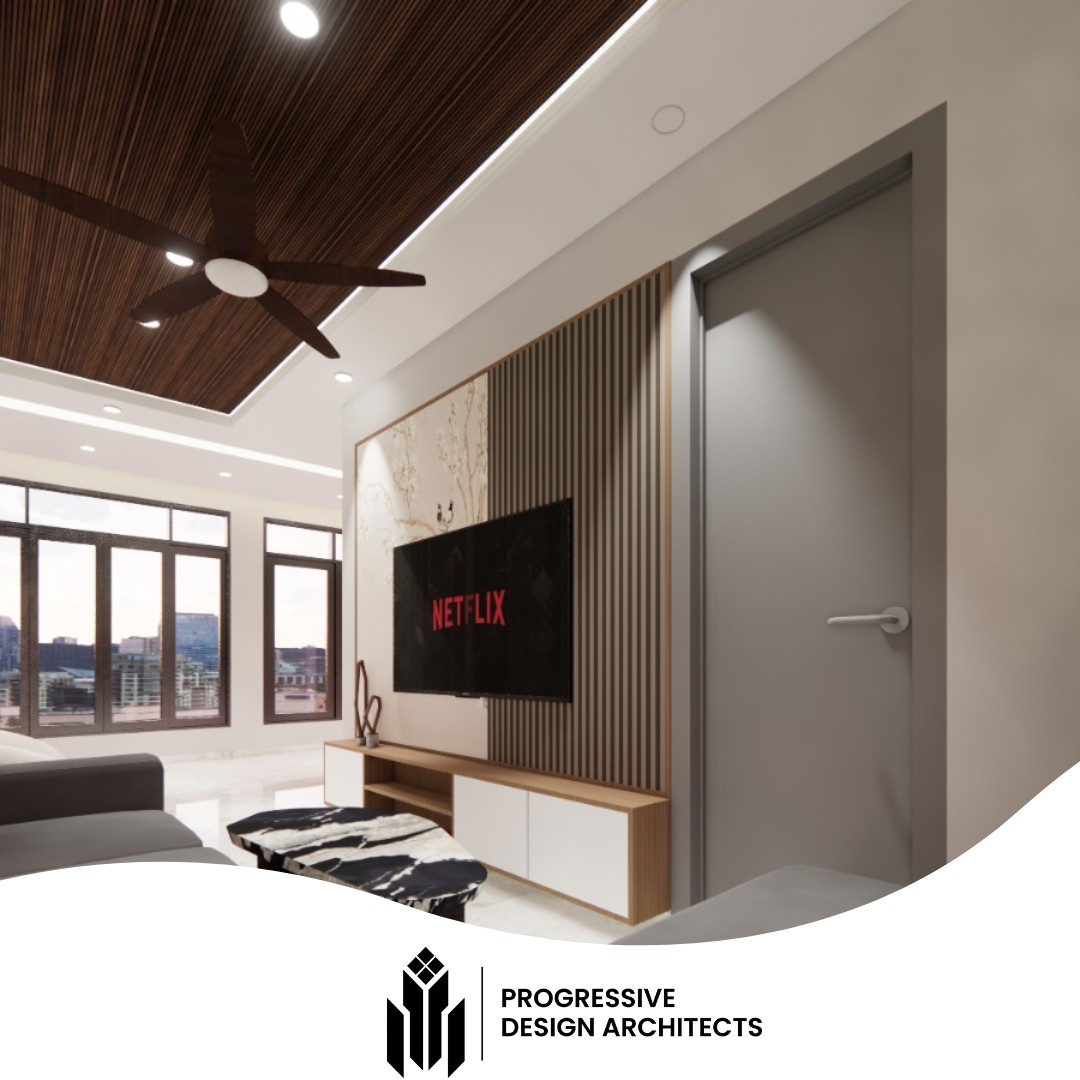
For example, a firm like Progressive Design Architects specializes in integrated design and project coordination. They offer architectural services across planning, design development, construction documentation, and supervision—ensuring a cohesive workflow from start to finish.
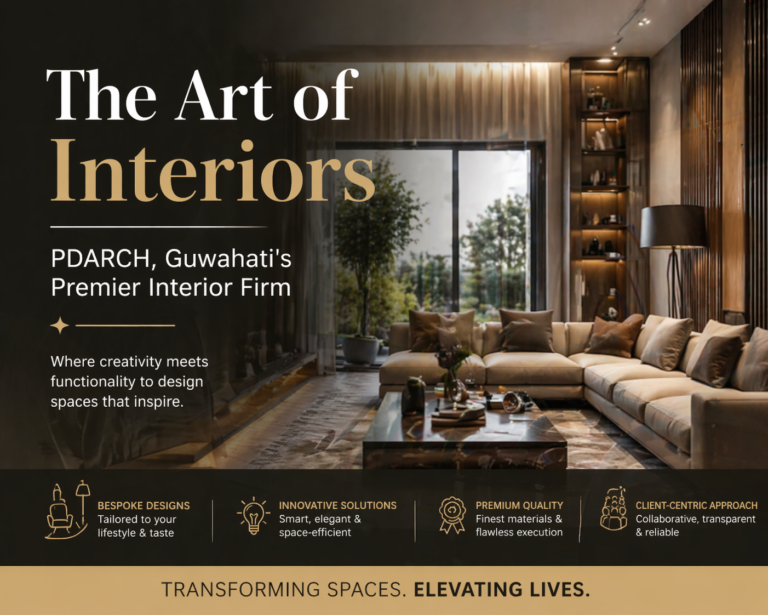
Similarly, homeowners in Guwahati can engage with reputable local professionals such as the best interior designer in Guwahati, which offers tailored design solutions that align with architectural planning and homeowner preferences. Combining architectural project management with strong interior design ensures that both the structure and the lived experience of the space are well considered.
Best Practices for Homeowners
To make the most of architectural project management, homeowners should:
-
Define Clear Requirements: Before design begins, clarify your goals, budget, and style preferences.
-
Choose Experienced Professionals: Work with qualified architects and designers who understand project workflows.
-
Maintain Communication: Regular updates and coordination meetings help prevent misunderstandings.
-
Use Technology: Tools like BIM (Building Information Modeling) and project management software improve visibility and collaboration.
-
Plan for Contingencies: Setting aside time and budget cushions prepares you for unexpected changes.
Conclusion
Architectural project management is the backbone of successful design and construction. For homeowners, it transforms creative concepts into functional spaces while controlling cost, quality, and schedule. By collaborating with professional architects and interior designers—such as Progressive Design Architects and the best interior designer in Guwahati—you gain the expertise needed to make informed decisions and enjoy a smoother project experience.
With clear planning, structured oversight, and proactive communication, your home project becomes more predictable, less stressful, and ultimately more rewarding.
Sources
-
Architectural services and design capabilities by Progressive Architects.
-
Benefits of architects and design professionals in home projects.
-
Core elements of project management for architectural projects.
-
Advantages of professional architectural project management.
-
Collaboration and communication strategies in architectural projects.
-
Regulatory, risk and sustainability considerations in architectural project management.
-
Local context and designers in Guwahati.