In contemporary architectural practice, architectural visualization has evolved from an optional service to a strategic necessity. Whether you’re working with a top-tier firm like Progressive Design Architects or searching for the best architect firm near me, architectural visualization plays a central role in helping clients make informed decisions early in the design journey. By transforming technical plans into engaging visual experiences, today’s architectural visualization enhances communication, accelerates decision-making, and builds client confidence throughout the entire design process.
What Is Architectural Visualization?
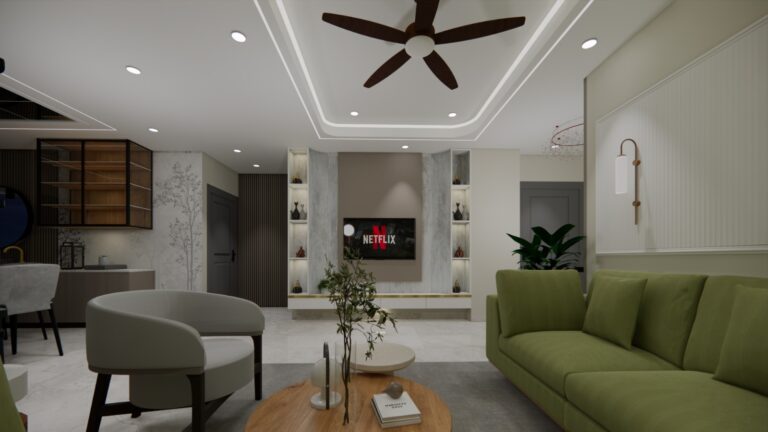
Architectural visualization refers to the creation of 3D renderings, animations, and visual representations of architectural designs. These visuals translate abstract plans, blueprints, and technical drawings into immersive imagery that clients can easily understand. The goal is to bridge the gap between conceptual ideas and the physical reality of a structure before construction begins.
Improved Communication Between Architects and Clients
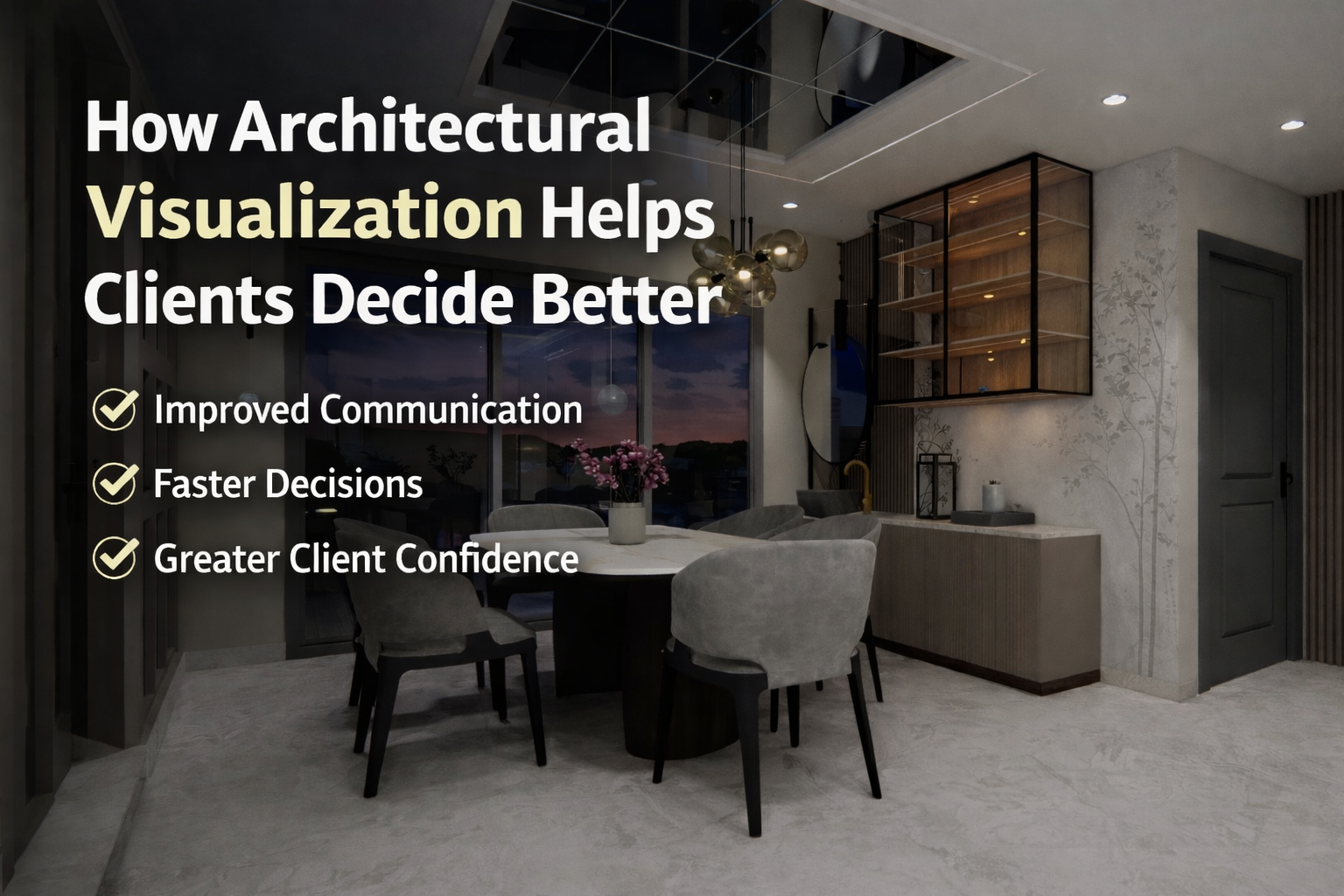
One of the most significant benefits of architectural visualization is improved communication. Traditional 2D drawings can be difficult for clients to interpret, especially those without technical knowledge. Visuals such as photorealistic 3D renders and interactive walkthroughs help clients clearly see what the finished building will look like. This clarity ensures that both the architect and client share a common understanding of spatial layouts, material finishes, and lighting. As a result, clients are better equipped to offer meaningful feedback and make decisions confidently.
Faster and More Informed Decision-Making
Architectural visualization empowers clients to make faster, better-informed decisions. Rather than relying on abstract diagrams or verbal descriptions, clients can explore multiple design options through realistic visuals. This helps them compare layouts, colors, and material choices in real time. With clearer insight into the design’s future look and feel, stakeholders often make decisions earlier in the project timeline, reducing revisions and speeding up approvals.
Greater Engagement and Collaboration
Today’s visualization tools go beyond static images. VR (virtual reality), AR (augmented reality), and interactive 3D walkthroughs allow clients to literally walk through their future spaces before construction starts. These immersive experiences increase engagement and invite clients to collaborate actively with architects. When clients can visualize themselves within a design, they become more invested in the process and more confident about their choices.
Early Identification of Design Issues
Architectural visualization also helps identify design flaws early in the process. Visual representations expose potential spatial conflicts, structural inconsistencies, or aesthetic mismatches well before any physical work begins. Addressing these issues early not only saves time, but also reduces costly changes once construction is underway. This efficiency makes architectural visualization especially valuable in complex projects where budgets and timelines are tight.
Enhanced Client Confidence and Satisfaction
Clients often struggle to trust what they cannot see. High-quality visualizations build confidence by offering a tangible preview of the final product. This confidence extends into project approvals, bidding processes, and stakeholder presentations. When clients feel secure in their understanding of the design, they are more likely to approve proposals, invest in projects, or commit to long-term engagements with architectural firms.
Strategic Marketing and Competitive Edge
For architectural firms, visualization is not just a client-facing tool it’s also a powerful marketing asset. Photorealistic visuals elevate portfolios, attract new clients, and differentiate firms in competitive markets. Whether featured on a website, in a proposal, or on social media, compelling architectural renders help firms position themselves as forward-thinking and client-centric. Firms that adopt advanced visualization techniques often stand out compared to competitors relying solely on traditional drawings.
Conclusion
In today’s architecture and design landscape, visualization is essential not optional. It enhances communication, accelerates decision-making, increases client confidence, uncovers design issues early, and provides a competitive edge in the marketplace. Whether you are working with a traditional design practice or searching for the best architect firm near me, architectural visualization ensures that clients are not just observers, but informed partners in the design process.
Sources
-
Top Benefits of Architectural Visualization – immersive realistic visuals improve communication and decision-making. Top Benefits of 3D Architectural Visualization (Gsource Data)
-
3D Architectural Visualization Improves Communication & Planning – bridging intuition and technical design comprehension. 3D Architectural Visualization for Architects (Fortes Vision blog)
-
What Is Architectural Visualization? – transforming technical drawings into engaging visual narratives. What Is 3D Architectural Visualization (Autodesk)
-
7 Benefits of Architectural Visualization – visualization enables stakeholder alignment and faster feedback. Benefits of Using Architectural Visualization (Ocean CGI)