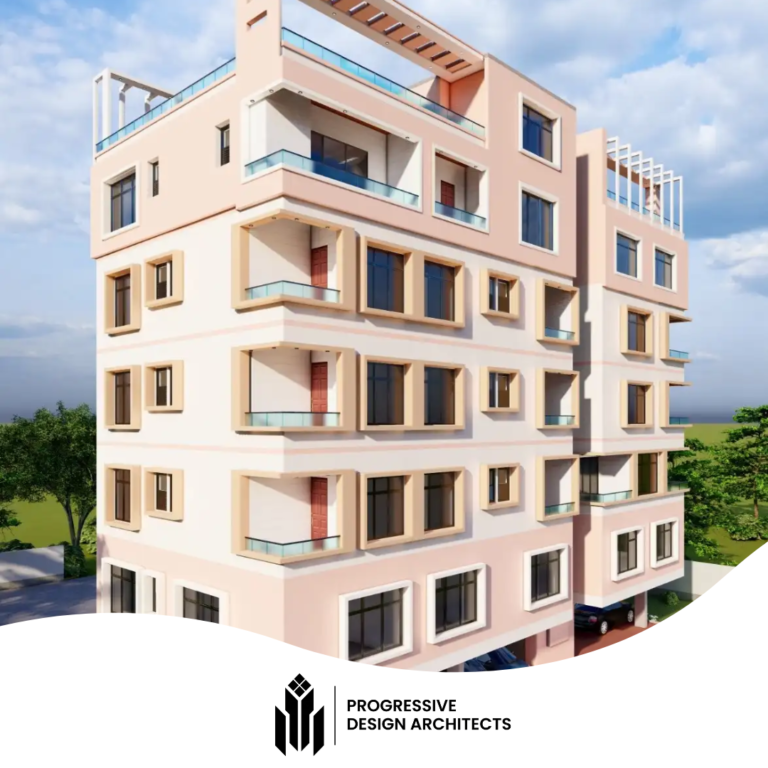
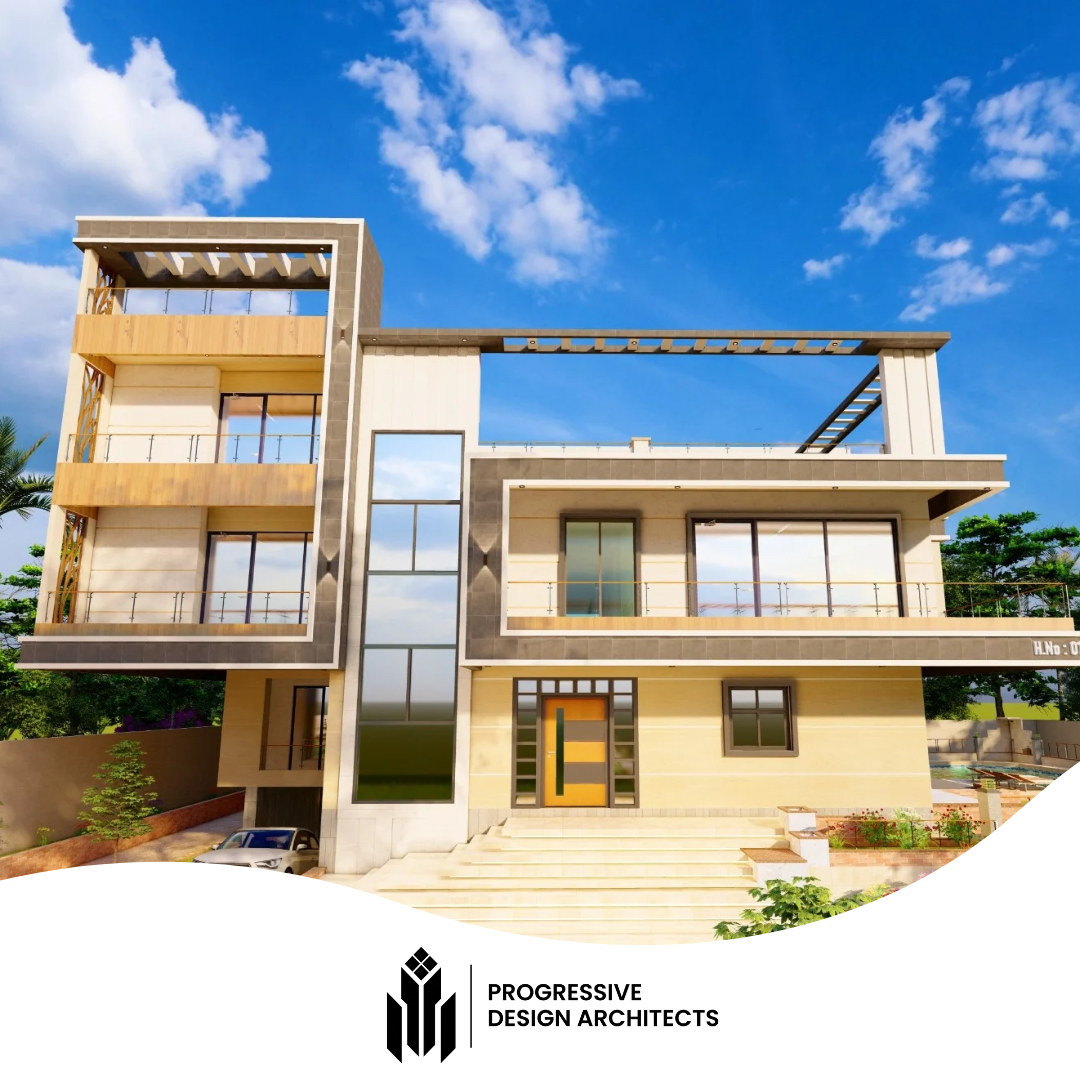
In a rapidly changing world, the need for sustainable living has never been more pressing. Assam, with its unique climatic conditions, offers a perfect canvas for eco-friendly architecture that harmonizes with the environment. From heavy rainfall during the monsoon to moderate winters, homes in Assam must be designed to withstand and adapt to the region’s weather patterns. As a result, eco-friendly homes are gaining popularity, focusing on energy efficiency, natural resources, and low environmental impact.
This blog will explore the essential components of an eco-friendly house design for Assam’s climate and how working with progressive design architects can help bring these ideas to life. We’ll also highlight the importance of finding the best architecture firm in Guwahati and top interior designers who specialize in sustainable living solutions.
Understanding Assam’s Climate and Its Challenges
Assam is known for its tropical monsoon climate, characterized by high humidity and heavy rainfall during the monsoon months (from June to September). Winters are mild, with temperatures rarely dipping below 10°C, while summers are warm and humid. These conditions call for specific considerations when designing homes that are both energy-efficient and comfortable throughout the year.
The key to eco-friendly home design in Assam lies in creating structures that blend seamlessly with the natural environment while addressing challenges such as:
-
Humidity control in the rainy season
-
Efficient insulation during mild winters
-
Maximizing natural ventilation and daylight
-
Minimizing water and energy consumption
Key Principles of Eco-Friendly House Design in Assam
1. Natural Ventilation and Cross-Ventilation
In Assam’s humid climate, maintaining a cool and comfortable interior temperature can be a challenge. However, natural ventilation plays a crucial role in reducing the reliance on air conditioning and artificial cooling systems. Strategic placement of windows, skylights, and ventilation openings can help promote cross-ventilation, allowing cool air to circulate freely throughout the home. This design approach helps reduce energy consumption and improves indoor air quality.
Source:
-
Designing Homes for Sustainable Living – This article highlights the importance of ventilation in eco-friendly house designs.
2. Rainwater Harvesting and Water Conservation
Assam receives a considerable amount of rainfall, and incorporating rainwater harvesting systems in your house design can significantly reduce water wastage. By capturing rainwater from roofs and storing it in tanks, you can use it for non-potable purposes like gardening, cleaning, and even flushing toilets. Additionally, installing water-efficient fixtures, like low-flow showerheads and faucets, can help further reduce water consumption.
Source:
-
The Benefits of Rainwater Harvesting – Discusses the long-term advantages of rainwater harvesting in eco-friendly construction.
3. Sustainable Building Materials
Sourcing materials locally not only reduces transportation costs but also helps reduce the overall carbon footprint of the construction. In Assam, eco-friendly materials like bamboo, mud bricks, and natural stone are abundant and highly sustainable. Bamboo, in particular, is gaining recognition for its strength, flexibility, and fast growth rate, making it an ideal choice for eco-friendly construction. It can be used for everything from structural support to decorative elements.
Source:
-
Bamboo as a Sustainable Building Material – This source explores how bamboo is being used globally as a sustainable building material.
4. Energy-Efficient Design with Solar Power
Assam experiences abundant sunlight for most of the year. Incorporating solar power into your house design can significantly lower electricity bills and reduce reliance on non-renewable energy sources. Solar panels can power lighting, heating, and even household appliances, making your home more self-sufficient and environmentally friendly.
Additionally, passive solar design techniques—like optimizing window placement and using thermal mass—can help regulate indoor temperatures by capturing and storing the sun’s heat during the day.
Source:
-
Solar Power in India: A Sustainable Future – Learn how solar energy can be effectively used in eco-friendly home designs in India.
5. Green Roofing and Insulation
Green roofs not only contribute to the aesthetic appeal of a house but also provide natural insulation, keeping your home cooler in summer and warmer in winter. Additionally, green roofs help manage rainwater runoff, which is particularly important in Assam, given the heavy rainfall during the monsoon.
Using eco-friendly insulation materials, such as recycled cotton, cellulose, or sheep wool, can enhance the energy efficiency of your home. Proper insulation helps maintain comfortable indoor temperatures while minimizing energy consumption for heating and cooling.
Source:
-
Eco-Friendly Roofing Solutions – Discusses the many benefits of green roofs, including energy conservation.
Benefits of Eco-Friendly Homes in Assam
1. Cost Savings
While the upfront cost of building an eco-friendly home may be higher, the long-term savings on electricity, water bills, and maintenance are substantial. Energy-efficient homes that incorporate renewable energy sources, water-saving systems, and sustainable building materials are likely to result in significant financial savings over time.
2. Healthier Living Environment
Eco-friendly houses often use non-toxic materials and incorporate natural ventilation, resulting in cleaner indoor air quality. Additionally, the use of natural elements like indoor plants and organic building materials contributes to a healthier living space, free from harmful chemicals and pollutants.
3. Reduced Environmental Impact
By opting for renewable energy sources, conserving water, and using sustainable materials, eco-friendly house designs minimize the environmental impact of construction. This approach ensures that homes are energy-efficient, reduce waste, and contribute to the preservation of the environment.
Choosing the Best Architecture Firm in Guwahati
To create an eco-friendly house that suits Assam’s unique climate, it is essential to collaborate with the best architecture firm in Guwahati that specializes in sustainable design. Progressive design architects can bring in-depth knowledge of the region’s climate and incorporate energy-efficient features that enhance comfort and reduce costs.
The best architecture firms in Guwahati are skilled in designing homes that seamlessly blend with the natural landscape, using locally sourced materials and innovative design techniques. Whether you’re looking for a modern, minimalist home or a traditional Assamese-style dwelling, the right architects can help you create a space that is both beautiful and sustainable.
The Role of Interior Designers in Sustainable Living
Interior designers also play a key role in ensuring that the interiors of your eco-friendly home align with sustainable principles. By choosing eco-conscious furniture, non-toxic paints, and energy-efficient lighting, interior designers can help create a comfortable and stylish living space that reduces environmental impact.
Finding a best interior designer near me who understands the principles of sustainable design can help you make informed decisions about your home’s interior. They can also offer advice on how to incorporate local handicrafts and materials into your decor to support the local economy.
Conclusion
Building an eco-friendly home in Assam is more than just a design choice; it’s a commitment to sustainability, energy efficiency, and environmental responsibility. With progressive design architects, the best architecture firms in Guwahati, and talented interior designers, you can create a space that not only thrives in Assam’s unique climate but also helps preserve the environment for future generations.
If you’re ready to start designing your dream eco-friendly home, reach out to a leading architecture firm or interior designer in Guwahati to turn your vision into reality.